Table of contents
Efficient land management often depends on selecting the right equipment for handling organic debris. When faced with the choice between mulchers and chippers, understanding their unique advantages and applications is vital for optimizing productivity and sustainability. Explore the distinctions and best-use scenarios in the following paragraphs to ensure confident decision-making and effective landscape maintenance.
Understanding land clearing needs
Effective land clearing begins with a thorough assessment of a site's unique demands. Determining whether mulchers or chippers are best suited for the job requires analyzing the types of vegetation present, the volume of organic debris, and the overall project scale. For example, properties with dense underbrush or mixed vegetation often benefit from mulchers, which excel at rapid biomass reduction and comprehensive debris management. Conversely, chippers may be favored where larger branches or felled trees dominate, producing uniform wood chips ideal for site preparation or mulch production. Considering the intended outcome—such as whether the goal is vegetation control, site rehabilitation, or material repurposing—ensures that equipment selection aligns with project objectives. Prioritizing this targeted evaluation streamlines operations, optimizes resource use, and enhances land management outcomes.
How mulchers process organic material
Mulchers are engineered to efficiently process organic material through a robust shredding chamber, where rotating blades or hammers rapidly break down vegetation into fine particles. This method not only shreds branches, underbrush, and small trees, but also disperses the resulting mulch back onto the ground, creating an even ground cover. Mulching plays a pivotal role in wildfire prevention by reducing combustible fuel loads, thus lowering fire risk in forested and grassland areas. In managed landscapes, the returned organic material enhances soil health by promoting moisture retention, regulating soil temperature, and gradually enriching the soil as it decomposes. These benefits support ecological restoration by accelerating the regeneration of native plant species and suppressing the growth of invasive weeds. Mulchers offer a distinct advantage in scenarios where large volumes of vegetation must be quickly transformed into mulch, especially on uneven terrain or in environmentally sensitive areas where minimal ground disturbance is desired. For those seeking detailed information on machinery options and applications in land management, click here to find out more.
Chippers and their specialized use
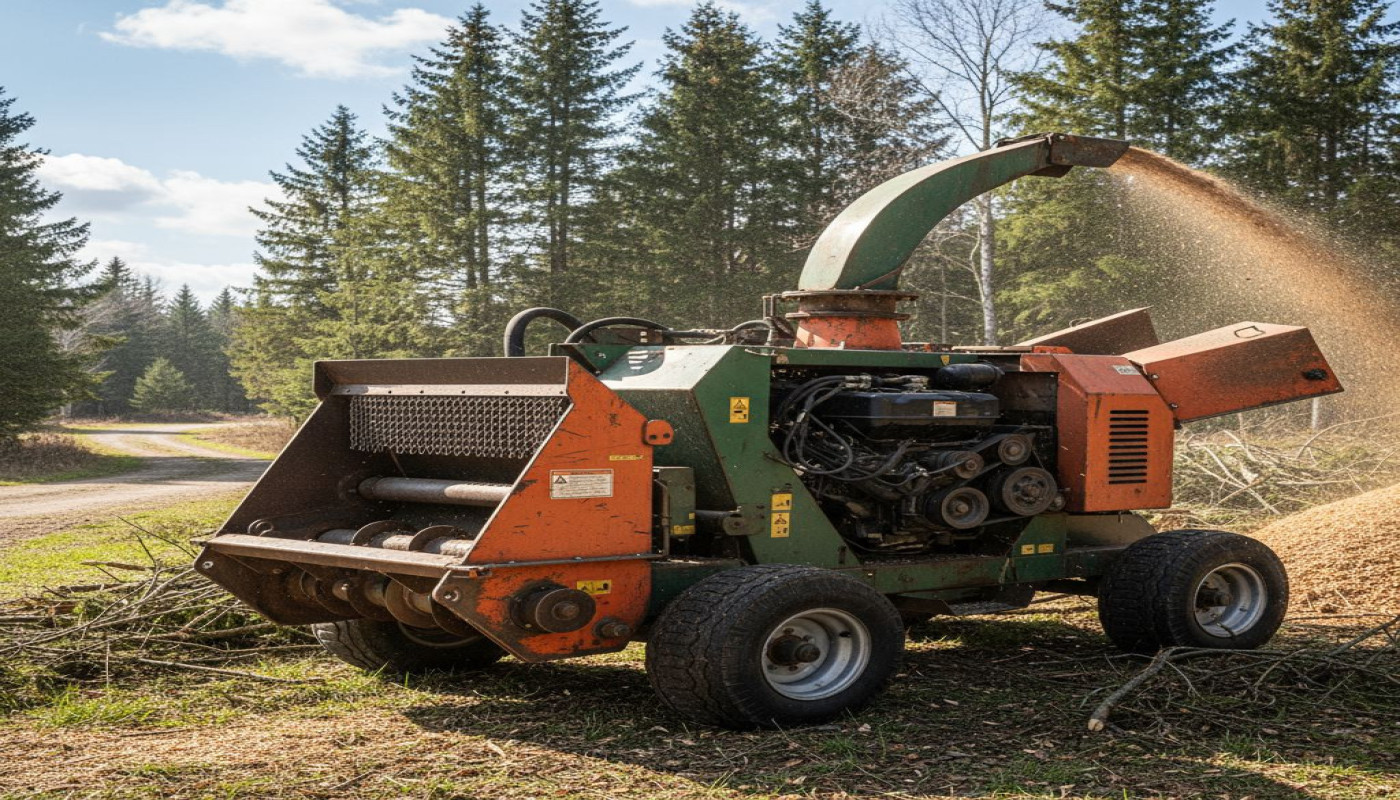
Chippers are engineered specifically for wood chipping, making them optimal for processing tree limbs, branches, and other dense woody debris. Their input feed mechanism is designed to accept larger, rigid materials and direct them efficiently toward high-torque blades. This operation produces uniformly sized wood chips, which differ from the finer, organic output of mulchers. These chips are ideal for brush removal and can be used for path surfacing, biofuel, or composting applications, offering flexibility in secondary utilization. Attention to chip size is vital, as it influences the suitability of the chips for various purposes and ensures effective debris management during land clearing operations.
When operating chippers, equipment safety is paramount due to the high-powered cutting elements and the mechanical input feed mechanism. Operators should always wear protective gear, maintain a safe distance, and follow the manufacturer's protocols to mitigate risks associated with thrown debris and mechanical jams. Routine maintenance and inspection of blades contribute to consistent chip size and prevent unexpected equipment malfunctions. By understanding the distinctive role of chippers versus mulchers, land managers can optimize brush removal strategies, select the appropriate machinery, and protect personnel throughout forestry operations.
Comparing efficiency and costs
Selecting between mulchers and chippers for land management projects hinges on evaluating machine efficiency and operational cost. Mulchers are typically favored for rapid processing of large areas with dense vegetation, requiring less labor intensity as they shred material in place. Chippers, in contrast, are often chosen for tasks demanding the conversion of woody debris into uniform chips for removal or repurposing, but they generally involve handling and transporting materials, increasing labor requirements. Fuel consumption varies: high-powered mulchers tend to consume more fuel per hour, but their efficiency in clearing wide sections may offset this when project budgeting is considered. Chippers can be more fuel-efficient for localized tasks but may extend project timelines if larger areas are involved.
Maintenance schedule and equipment lifespan are significant factors in cost management. Mulchers, due to their exposure to abrasive materials, may require more frequent attention to wear components such as teeth and cutting drums. Chippers, while also subject to blade wear, often have a simpler maintenance routine, especially in controlled environments. In terms of machine longevity, both types benefit from regular maintenance, but differences in design and operational demands influence long-term reliability. For projects where continuous, high-output operation is necessary, investing in robust wear components and adhering to a strict maintenance schedule can extend equipment lifespan, optimizing both machine efficiency and operational cost over time.
Selecting the right tool for success
Undertaking a suitability assessment is a key step in tool selection for effective land management. Start by analyzing the site conditions—such as vegetation density, tree diameter, terrain type, and accessibility—since these factors heavily influence whether a mulcher or chipper aligns with project planning needs. When the goal involves clearing large areas covered in brush or small trees, mulchers often deliver efficient results by shredding vegetation directly into the ground, enhancing soil health and reducing the need for debris removal. For projects focused on handling larger trees and generating wood chips for landscaping or biofuel, a chipper usually proves more effective. Aligning equipment choice with specific landscape goals ensures optimal performance and cost efficiency.
Seeking equipment advice from experienced professionals can significantly streamline the decision-making process. A senior landscape planner, or similar expert, can evaluate both short-term requirements and the long-term impact of various machines on the site. Their expertise supports accurate project planning, helping to anticipate challenges like soil disturbance, regrowth control, and maintenance cycles. Involving a professional early can also help avoid costly mistakes and ensure compliance with local regulations or environmental guidelines.
Incorporating long-term land management strategies is vital during tool selection. Consider how each piece of equipment fits into broader objectives, such as habitat restoration, erosion control, or sustainable resource use. This holistic approach to suitability assessment not only ensures immediate project needs are met but also supports the landscape’s ongoing health and productivity, facilitating responsible stewardship for years to come.
Similar
